
vibrava
Our story

How a Chester crew became a full production company

vibrava was founded in Chester in 2014 by Daniel Whitcombe, who had spent two decades in studio and outside broadcast roles. The aim was a small, dependable company that could handle the technical side of a programme from planning to transmission.

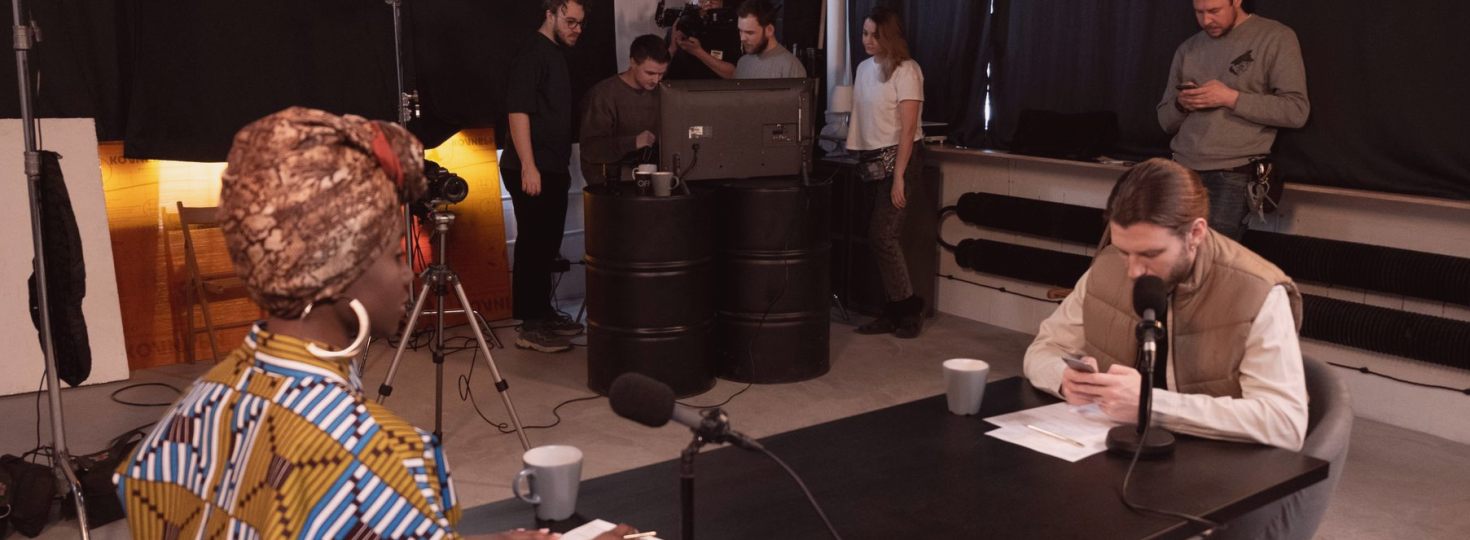
Crew checking camera monitors and the vision mixer during a studio rehearsal

Daniel began with studio camera work for regional programmes, where the lessons were practical: a good picture depends on preparation long before the red light comes on. Producers wanted one team they could call, not a series of freelancers who had never worked together.

Lighting and audio followed naturally. A camera can only show what the lights allow, and viewers forgive a soft picture far sooner than muffled speech. Hannah Pritchard joined to lead lighting design and Owen Fletcher to lead sound, and the three disciplines began to be planned together rather than in turn.

Workflow came next. Many problems on a shoot are really scheduling and signal problems: a feed routed the wrong way, a crew call set too late, a rehearsal squeezed to nothing. Priya Sandhu now plans schedules, crews and signal paths so that those issues are settled on paper first.

Live event coverage grew from the same foundation. Conferences, concerts and community events need multi-camera switching and often a stream, and they allow no second take. Planning, rehearsal and calm decision-making matter even more when the audience is in the room.

Today the company works for producers, event organisers and media teams across the North West. It stays small by choice, so the people who plan a job are the people who carry it out, and clients know whom they are speaking to from the first call to the wrap notes.

Principles

What guides the way we plan and run each production

Broadcast work leaves little room for guesswork. A fault in a signal path, a badly placed microphone or a late crew call shows up in front of the audience. These principles shape how we prepare, who we send and how we behave when a schedule changes.

  1. Precision

    Precision starts on paper. Camera positions, lighting plots, microphone plans and signal routing are drawn up and checked before anyone arrives on site. On the day we measure rather than guess, match cameras for colour and exposure, and test every path to the gallery so small errors are caught during rigging instead of during transmission.

  2. Reliability

    Reliability means a producer can stop worrying about the technical side. We confirm what is included in writing, arrive when we said we would and carry spares for the items most likely to fail. When something does go wrong, the crew keeps its tone level and the director is told plainly what is happening and what the options are.

  3. Craft

    Craft shows in details an audience rarely names: skin tones that look natural under studio lights, speech that stays clear in a reverberant hall, a shot held steady for the whole of a long interview. Our people have years of studio and outside broadcast experience, and they take the time to do each task properly.

Background

The experience and clients behind our everyday work

The company's work sits between television production and live events. Some weeks are spent in a studio on a recorded programme with a fixed set and repeat episodes; others are spent in a hall or on a stage, with a single chance to get the coverage right and an audience watching.

Our clients are mostly producers, event organisers and media teams who need a reliable technical crew rather than a finished programme concept. They arrive with a format, a venue and a date, and ask us to specify, rig and operate the cameras, lights and sound that will deliver it.

Daniel Whitcombe's two decades in studio and outside broadcast roles shape how every job is approached. He reviews each brief personally, and his experience is why the first conversation tends to focus on access times, power, cable runs and fallback plans before it reaches equipment lists.

The rest of the team brings a specialism to each plan. Hannah Pritchard designs lighting with natural skin tones in mind, Owen Fletcher leads sound from microphone choice to final mix, and Priya Sandhu keeps schedules, crews and signal paths aligned from rehearsal through to transmission.

We keep the company small so that responsibility stays clear. When a client rings, they speak to someone who knows the job. We would rather take on fewer productions and run each one properly than stretch a crew across more than it can serve well.

vibrava

Broadcast production from Chester: studio camera systems, lighting design, audio engineering and workflow planning for television, live broadcasts and events across the North West.

14 Watergate Mews, Chester CH1 2HU01244 355 718hello@vibrava.info