
A Lighting Design Checklist to Work Through Before You Commit
5 min read
Before agreeing a lighting plan for a studio set, interview or live event, these are the questions worth asking: about the room, the cameras, the talent and the people who will run it.
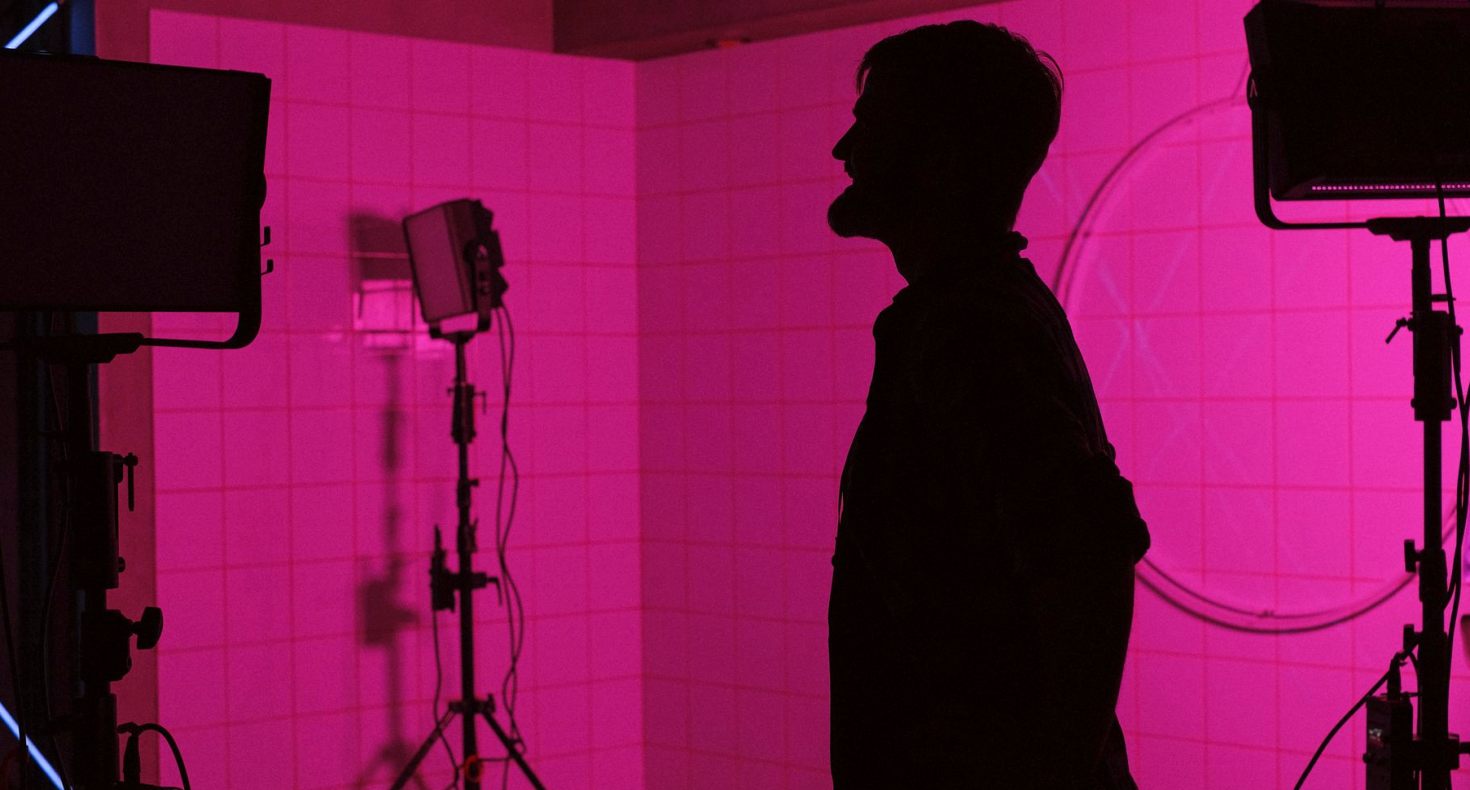
Start with the room, not the rig
Most disagreements about lighting begin with a drawing that never met the room. Before anyone talks about fixtures, find out what the space actually offers: ceiling height, rigging points, available power, and whether daylight reaches the set at any point in the day. In late autumn the light changes quickly, and a studio with a high window can look balanced at noon and unusable by mid-afternoon.
Ask the designer to visit, or at least to see photographs and a floor plan with measurements. A plan made from a description alone tends to be optimistic. If the room has a low grid, for instance, the angle of the key light is limited, and that shapes everything downstream. Good designers say so early rather than discovering it on the morning of the shoot.
Be clear about what the cameras need
Lighting is judged through the lens, so the camera choice belongs in the first conversation. Different cameras handle contrast and low light differently, and a plan built for one may leave another struggling with noise in the shadows. Tell the designer which cameras will be used, how many, and from which positions, because a three-camera interview needs light that works from several angles at once.
It also helps to say where the pictures are going. A programme made for broadcast has different tolerances from a stream watched on phones. If the output will be graded afterwards, there is more room to adjust; if it goes out live, the light has to be right on the night. Settle this before deciding, not during rehearsal.
Think about the people in front of the lights
A lighting plan is only as good as the way it treats faces. Ask how the designer intends to keep skin tones natural across the people who will appear, because guests rarely look alike and the same key light can flatter one person and wash out another. Hannah Pritchard, our lighting director, puts a good deal of attention here, and it is worth asking any designer how they test it.
Consider comfort as well. Hot lamps close to a guest, glare in the eyes or a long wait under bright light all show on screen as stiffness. Ask whether the plan uses fixtures that stay cool, and whether guests can be seated and lit in a way that lets them forget the equipment is there. Relaxed interviewees give better answers.
Balance key, fill and mood against the brief
Key and fill balance is the quiet decision that sets the look of a programme. A strong key with little fill gives drama and depth; a softer ratio gives an open, even picture suited to news and factual work. Before deciding, ask the designer to explain which they are proposing and why, in terms you can follow, and how it fits the tone you want the audience to feel.
Colour deserves the same scrutiny. Coloured accents on a backdrop can bring a set to life, but they can also spill onto faces or clash with graphics added later. Ask to see a lit test frame, even a simple one, rather than agreeing from a description. A single still on a monitor settles more arguments than an hour of talking about intentions.
Ask about time, crew and changeovers
A good plan can still fail on the day if the schedule ignores how long lighting takes. Ask how long the rig will need to go up, when the lights can be balanced, and how much time is left before talent arrives. For live events the margin matters even more, since there is no second take. Priya Sandhu, who plans our workflows, treats lighting time as a fixed line in the schedule, not an afterthought.
Also find out who will be on site. A designer who drew the plan but hands over to someone unfamiliar with it creates risk. Ask who runs the lights during the show, what happens if a fixture fails, and how quickly the set can be turned around if there are several segments with different looks.
Check what is included before you say yes
Last, read what the proposal covers. Does the price include the lighting plan, the fixtures, the crew, travel and the strike afterwards? Is a site visit part of it? Are changes after the first test frame included, or charged separately? Vague scope is the usual source of surprise later, and a clear written quotation protects both sides.
Ask what would change the figure: a longer day, a second set, extra rigging or a late change of venue. Honest designers can name these in advance. If a proposal cannot say what is excluded, treat that as information. A short list of written assumptions, agreed before the booking, costs nothing and saves a difficult conversation on the day of the shoot.
None of these questions needs technical training, only a willingness to ask them before the booking rather than after. A designer who answers plainly about the room, the cameras, the faces, the schedule and the scope is usually one who will light the set well. Take the list into your next conversation, note what is unclear, and decide once the answers sit comfortably with your brief and your calendar.