
How We Plan Signal Routing and Crew Calls Before a Live Show
5 min read
A look at the planning stage behind our workflow work: how routing diagrams, call sheets and rehearsal blocks are drawn up so the transmission itself holds few surprises.
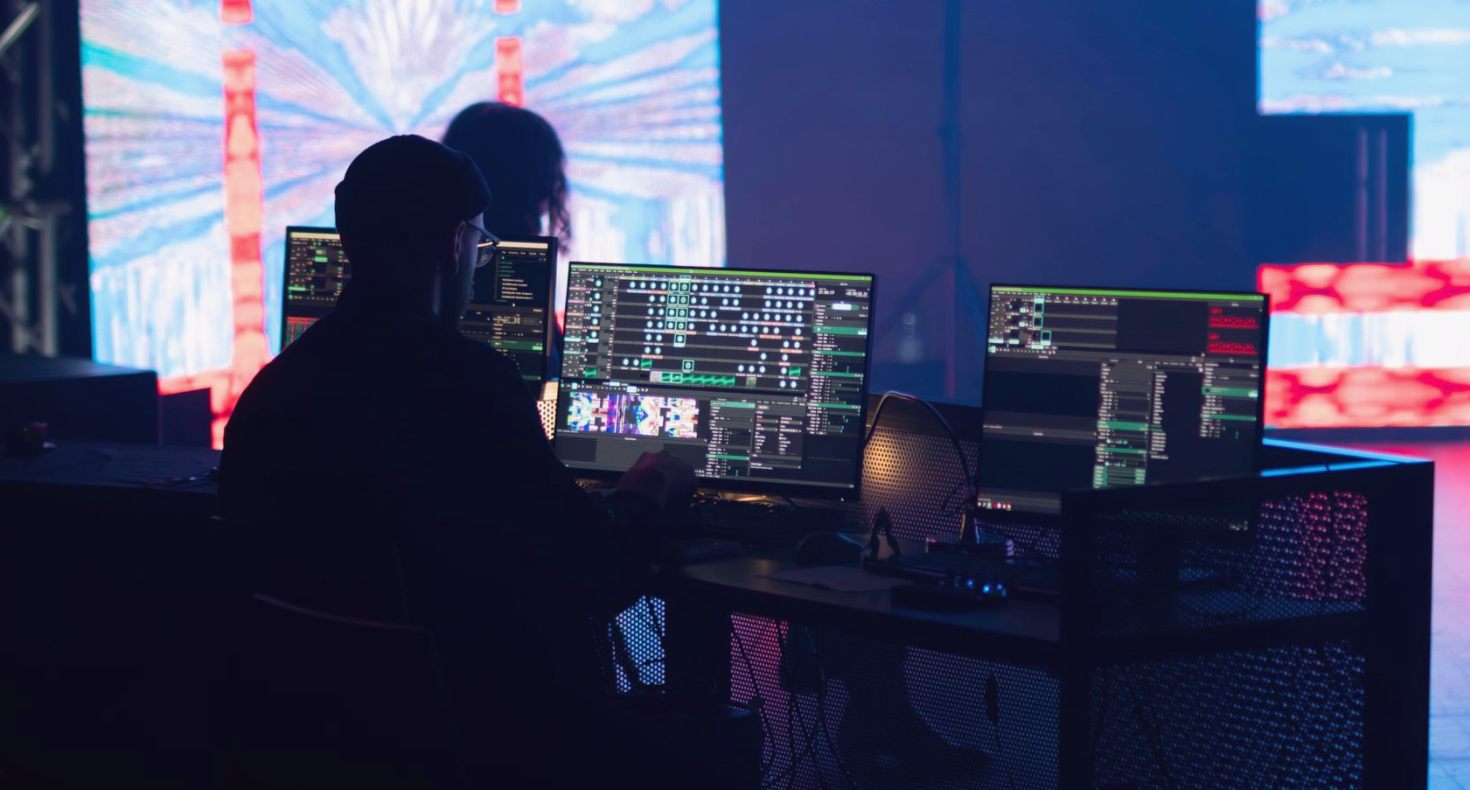
Where workflow planning starts
Production workflow planning at vibrava begins well before anyone carries a camera case into a venue. Once a client has confirmed an enquiry in writing, we ask for the running order, the venue plan if there is one, and a rough idea of who will be speaking, performing or presenting. From those three documents we can already tell how many camera positions are realistic, where cable runs will be awkward and which parts of the show carry the most risk.
This autumn, with more indoor conferences and community evenings in the diary across the North West, we have settled on a fixed order for these early conversations. Priya Sandhu leads them, and the aim is simple: every question that could stop a rehearsal gets asked while there is still time to answer it calmly, not on the morning of the show.
Drawing the signal path
The signal diagram is the document I rely on most as an audio engineer. It shows where every camera, microphone feed, talkback line and return monitor travels, and which desk or switcher each one lands on. Audio and video cannot be planned apart, because a delay in one shows up as lip-sync trouble in the other, and the diagram makes those links visible before any kit is powered.
We draw it twice. The first version is the ideal layout, and the second is adjusted after a site visit or a call with the venue's technical contact. The differences between the two are usually small: a longer cable run, a camera moved a few metres, a monitor relocated so a presenter can see their own cue. Writing them down early keeps the whole crew working from one picture.
Crew coordination and call times
A good crew list does more than name people and positions. It sets call times that allow for load-in, line checks and a proper sound check, and it records who answers to whom if something changes during the show. We keep the chain short on purpose. Daniel Whitcombe oversees the production as a whole, the workflow producer owns the schedule, and each department lead owns their own area.
In these weeks of shorter daylight, load-in often happens in the dark or in cold loading bays, so we add margin for slower setup and for batteries and cables that behave differently in low temperatures. That margin is written into the call sheet itself, not left as a private assumption, so the client can see what the extra time is for.
Rehearsal blocks and what they test
Rehearsal time is only useful if each block has a purpose. We divide ours into technical run, cue-to-cue and full run, and we say in advance what each is meant to prove. The technical run checks that every source reaches its destination. Cue-to-cue steps through the moments where picture, sound and lighting must change together. The full run shows how the show feels at its real pace.
Clients sometimes ask to skip the middle step to save time. We understand the pressure, but cue-to-cue is where most small timing problems surface, and fixing them there costs minutes, where fixing them on air costs far more. Where time truly is short, we shorten each block, not remove one.
What we have changed this season
Two small changes have found their way into our standard process. First, we now send the signal diagram and call sheet to the client at the same time, so questions about who is where can be settled on one page. Second, we agree a short list of fallback decisions in advance: what happens if a wireless microphone drops out, if a camera feed fails, or if the running order slips by ten minutes.
None of this is dramatic, and that is rather the point. The aim of workflow planning is a transmission where the crew is busy but unhurried, and the audience notices only the programme. The paperwork is how we get there, and it costs far less than discovering a gap during a live broadcast.
Planning is the quiet half of broadcast work. A clear signal diagram, honest call times and rehearsal blocks with defined purposes let the crew spend the live hours watching the show, not fixing the plan. If you are preparing a programme or event this winter, send us the running order through the contact page and we will reply with a written quotation.