
Lavalier or Boom: Choosing the Right Microphone for Spoken Programmes
5 min read
Two ways to capture speech on a television set, compared on sound, picture and rehearsal time, with a clear recommendation for each kind of programme we are asked to cover.
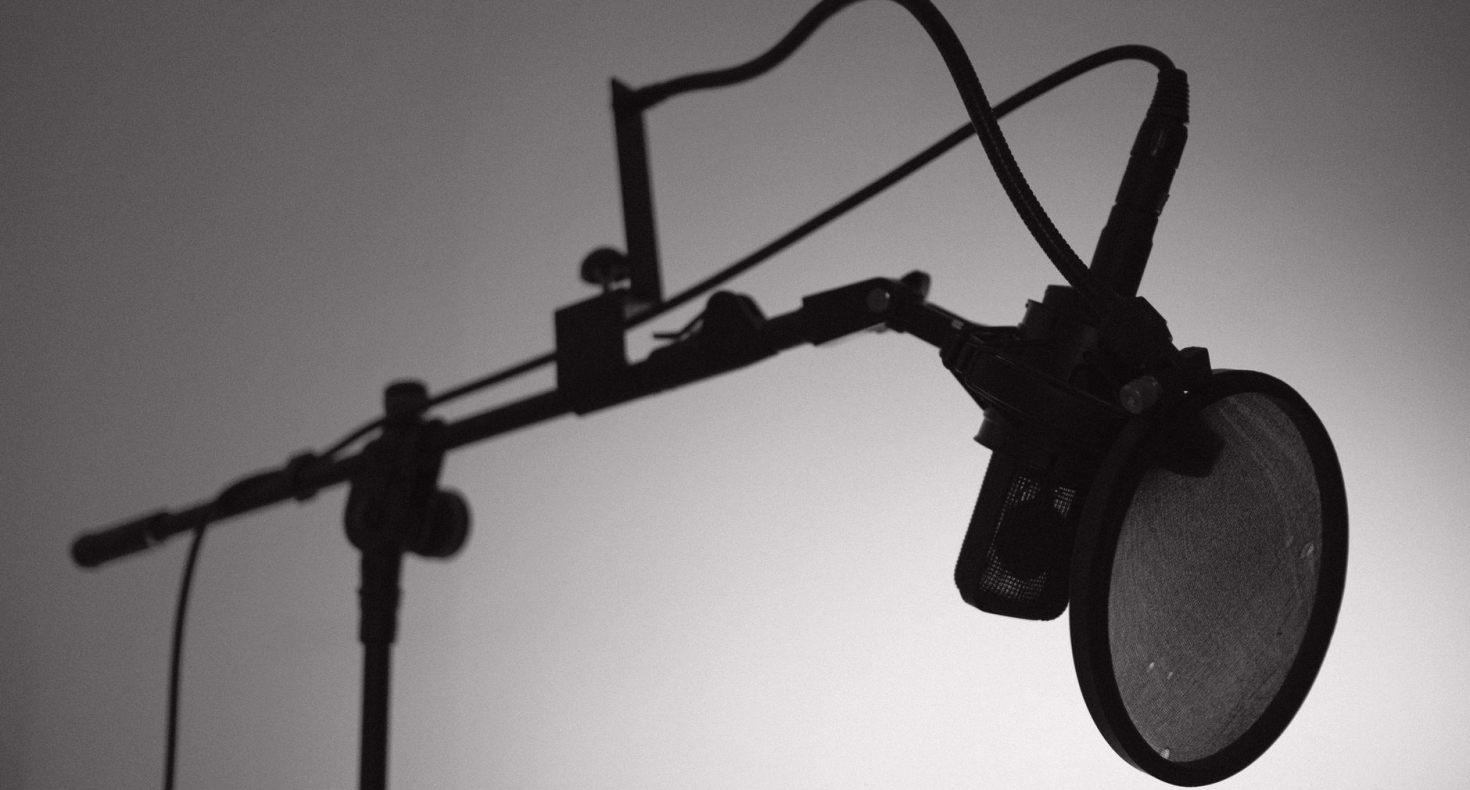
Two ways to hear a presenter
Almost every spoken programme we work on starts with the same decision: clip a small lavalier microphone to the presenter, or hold a boom microphone just outside the frame. Both can deliver clear speech, and both can fail in ways that only show up once the cameras are rolling and the room fills.
This note compares the two on the things producers actually feel: how the voice sounds, how much the picture is constrained, how long rehearsals take and what can go wrong on the day. The aim is a recommendation you can use when planning, not a verdict that suits every set.
Where we say lavalier, we mean a small clip-on capsule on a wireless transmitter. Where we say boom, we mean a directional microphone on a pole, held by an operator or fixed on a stand above the action.
What a lavalier does well
A lavalier sits close to the mouth, so the voice stays at a steady level even when the presenter turns away, walks across the set or leans back in a chair. That consistency is its great strength. The room matters less, because the capsule hears the speaker far more than it hears the studio.
It also frees the picture. Wide shots, tracking moves and low camera angles are all possible with no pole to hide. For interviews with several guests, each person can have their own channel, which gives the mixer room to lift a quiet voice or pull down a crosstalk.
The cost is in the details. Clothing rustle, a badly placed capsule and skin tone beneath a shirt can all change the sound. Someone has to rig each person with care, and that takes time before the doors open.
What a boom does well
A boom microphone hears the voice the way an audience would, with a little of the room around it. Speech sounds open and natural, and there is no clothing noise to chase. For drama, discussion and anything where the set itself has a character worth keeping, that natural quality is hard to match.
Setting up is quicker for the talent, because nobody needs wiring. Guests who dislike being rigged, or who arrive minutes before recording, are easy to accommodate. The operator can follow the conversation and reposition for each turn.
The trade is control. The microphone must stay out of the lighting and out of the frame, which limits wide shots, and a hard-surfaced studio will add reflections. A good operator is not optional here: the whole result depends on their timing and stamina.
How the two compare in practice
On a seated interview with two or three people, either choice works, and the decision turns on the picture. If the director wants a wide, clean frame with soft lighting overhead, the boom struggles to find a position that avoids shadows. Lavaliers solve that without a second thought.
On a moving programme, with presenters walking between areas of a set, lavaliers are the safer route. A boom operator can follow, but every change of position adds risk of a dropped line or a pole entering shot during a live moment.
Where we see the opposite is in quiet, controlled rooms with a fixed camera plan. There a boom gives a warmer sound with less preparation. We usually run a lavalier as well, as a safety, and decide in the mix which to favour.
Our recommendation
For most live and recorded spoken programmes, we recommend lavaliers as the main source, with a boom or a fixed overhead microphone as a backup where the set allows. The reasoning is simple: a lavalier protects the level of the voice, and the voice is the one thing the audience will not forgive losing.
Choose a boom as the lead only when the sound of the room is part of what you are making, the lighting plan leaves a clear path above the speakers, and you have the rehearsal time to place the operator properly. Without all three, the lavalier is the lower-risk choice.
Whichever you pick, plan the second source early. A spare channel costs little at the planning stage and a great deal if you try to add it ten minutes before transmission.
Preparing the day for either choice
Whichever microphone leads, the work before the cameras roll decides the result. Tell us how many speakers there are, whether they move, what they will wear and how long the set stays lit. Costume choices matter: heavy fabric or loose jewellery near a capsule will cause noise that no mix can fully hide.
In these colder weeks, outside broadcasts bring wind and damp, and heated rooms bring dry air that makes cloth crackle. We check both during sound check, with each speaker talking as they will on air, not just counting numbers.
Bring spare batteries for every transmitter and keep one person responsible for rigging and checks. That small habit prevents most of the failures we are called out to repair.
Neither microphone is correct for every programme. Lavaliers protect the voice when people move and the picture must stay open, while a boom gives the warmest sound in a calm, planned room. Weigh the lighting, the movement and your rehearsal time, then add a second source either way. Send us the format and we will suggest a plan.