
Planning Rehearsals and Transmissions Through the Darker Months
7 min read
Late autumn brings tighter daylight, more indoor events and crowded venues. Priya Sandhu sets out how to schedule rehearsals, signal routing and crews so winter transmissions stay calm.
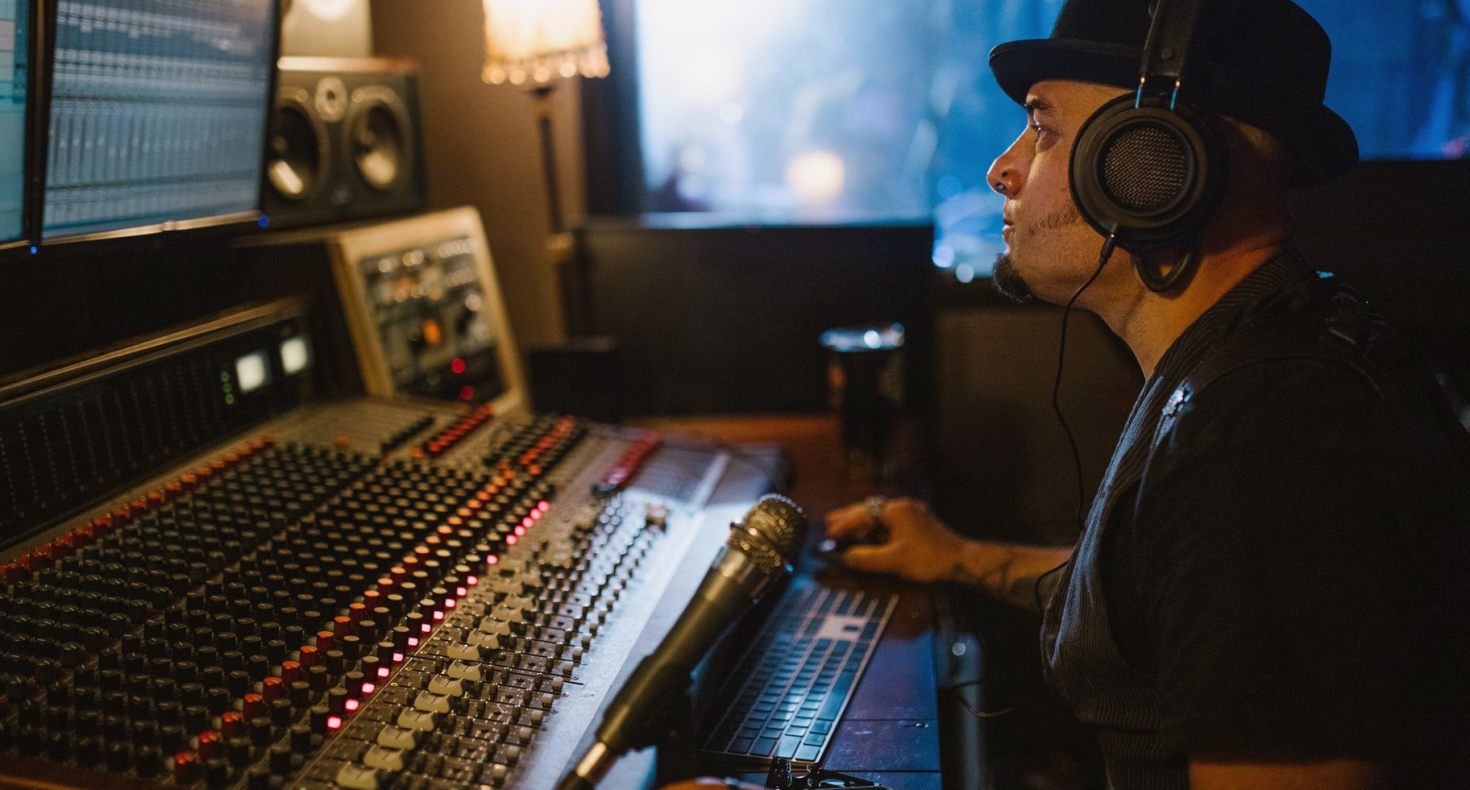
Why the coming months change the schedule
Late autumn is when many of our clients start thinking about winter programming: seasonal television specials, charity concerts, conferences held before the year closes and community events that move indoors. The workload does not simply grow, it bunches together. Venues that were easy to book in summer fill up, crews are asked for the same few weeks, and daylight ends early enough that load-ins are finished under work lights rather than in the open.
When I plan a production workflow at this time of year, I begin with the calendar rather than the kit list. I mark the fixed points first: the transmission slot, the venue access times and any hard curfew. Everything else is worked backwards from those. It sounds obvious, but a surprising number of problems come from a rehearsal that was pencilled in around an assumption nobody confirmed.
The practical effect is that winter plans need more slack than summer ones. A single late delivery or a closed road can swallow the margin you thought you had. I would rather agree a slightly earlier start with everyone than promise a tight schedule that depends on nothing going wrong.
Booking rehearsal time while diaries are filling
Rehearsal time is the first thing to disappear when a calendar tightens, and it is the last thing you can afford to lose. A rehearsal is where camera moves are agreed, cues are timed and the people on screen learn where to stand. Cut it short and those decisions are made live, which is exactly where they cost the most.
My advice for these weeks is to book rehearsal slots at the same moment you confirm the transmission date, not afterwards. If the venue can only offer a short window, we can split it: a technical rehearsal for cameras, lighting and sound with a small crew, followed by a separate run with contributors once the rig is stable.
It also helps to rehearse in the order of the running sheet, including the awkward parts such as handovers between presenters and playback cues. Those transitions are where most on-air hesitation starts. A rehearsal that only covers the comfortable sections tells you little about how the show will actually behave when it is live.
Signal routing that survives a cold, crowded venue
Signal routing is the part of workflow planning that nobody sees when it works. We draw the path for every source, from camera to switcher, from microphone to mixer, and from the control room to whatever is carrying the output. In winter that diagram needs a few extra questions, because venues behave differently when they are cold, full or being heated hard.
Cable runs that were comfortable in summer may now cross doorways that stay propped open or heated corridors where condensation can form on equipment moved in from outside. Allow time for kit to settle to room temperature before it is powered up, and avoid routing critical connections through areas where people will be walking in heavy coats.
I also like every route to have a documented fallback. If a link fails, the crew should know in advance which alternative to patch, who makes that call and how long it takes. Writing that down on the plan costs minutes. Working it out during a live show costs far more.
Crew coordination when daylight is short
Crew coordination changes noticeably when the days shorten. Load-ins that once happened in the afternoon sun now finish in the dark, and tired people make avoidable mistakes. I plan call times so that the heaviest physical work happens early in the day, with the detailed checks, such as focus, levels and cue sheets, left for when the room is quieter.
Clear roles matter more than headcount. Each person on a production should know who they report to, who calls the cues and who has the authority to stop a rehearsal if something is unsafe. In a smaller winter crew, one person often covers two jobs, and that is workable only if the overlap is written down beforehand.
Breaks are part of the plan, not a favour. Hot drinks, a warm place to sit and a defined lunch window keep the crew sharp through a long rig day. I have never regretted building thirty minutes of rest into a schedule, and I have often regretted leaving it out.
Contingency for weather, travel and late changes
Every winter plan should carry a short list of what we will do if conditions turn against us. Travel is the usual culprit: a delayed delivery, a blocked road or a presenter who cannot reach the venue on time. None of these is unusual, and each one can be absorbed if the plan allows for it.
For outside elements, such as a cutaway shot or an arrival at a venue, decide in advance whether there is an indoor alternative. If a segment depends on a particular light or a particular view, agree a substitute with the producer before the day rather than negotiating it in the car park.
Late changes to a running order are also common at this time of year, as sponsors, speakers and guests rearrange their own diaries. I ask clients to tell us about changes in writing and to tell us early. A revised sheet shared promptly is far easier to rehearse than a verbal change delivered five minutes before transmission.
A short planning routine for the next few weeks
If you are commissioning something for the coming months, here is the routine I would follow. First, confirm dates and venue access. Second, book rehearsal time alongside the transmission. Third, draw the signal path with a fallback for each critical link. Fourth, agree crew roles, call times and breaks. Fifth, write down the contingency plan and share it with everyone involved.
None of this needs special tools. A clear running sheet, a signal diagram and a one-page crew list are enough to keep most productions steady, and they take only a few hours to prepare properly. What they buy you is calm: on the day, decisions have already been made and the crew can concentrate on the programme.
If you would like to talk through a winter production, send us an enquiry through the contact page with your date, venue and rough running order. We will tell you plainly what the workflow needs and where the plan has gaps.
Winter productions reward early, unglamorous planning. Fix your dates, protect your rehearsal time, draw the signal paths with fallbacks, give the crew clear roles and proper breaks, and keep a short contingency list close. None of it is complicated, but all of it helps a live transmission stay steady when the weather, the venue or the diary does not cooperate.